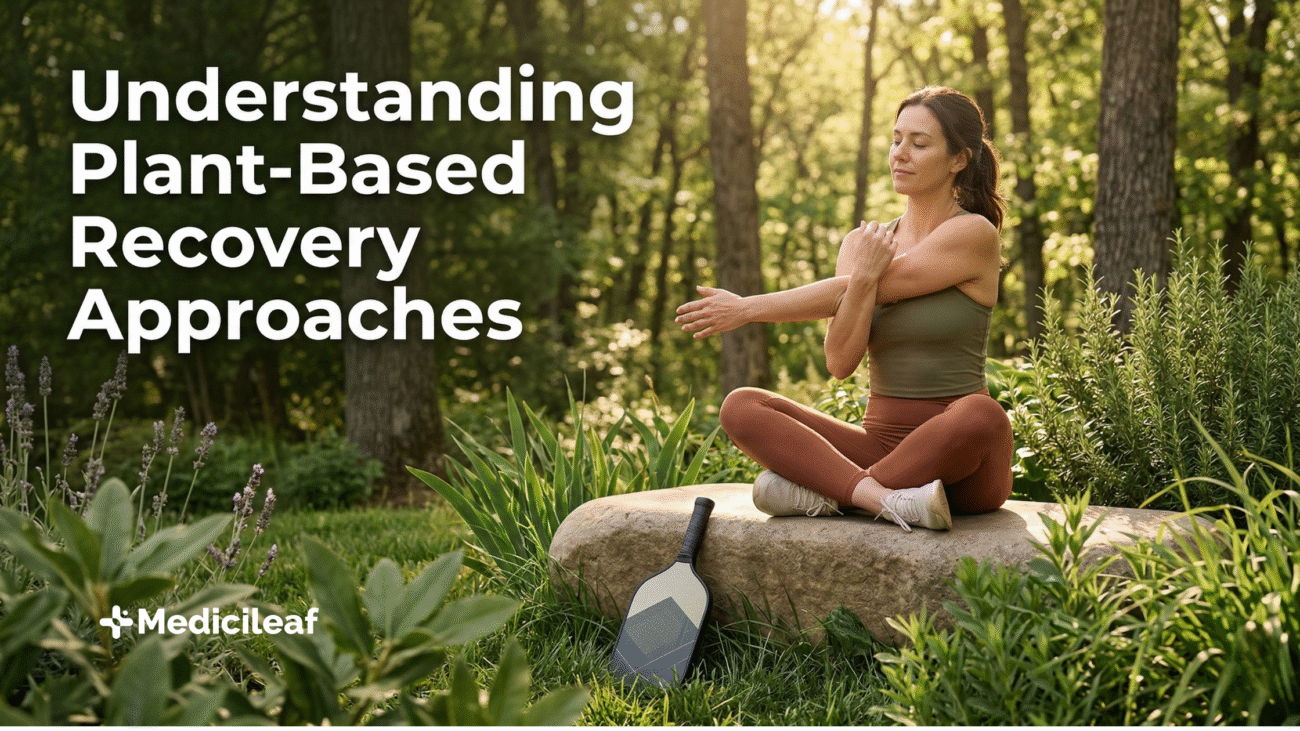
Introduction
Pickleball attracts players of all ages. It is social. It is fun. But the physical demands can add up in surprising ways. Quick starts and stops, repeated direction changes, and many rotational swings all mean muscles and joints work hard. Over time, the body feels the effects of this pattern.
Understanding how pickleball affects muscles and joints over time helps players make smarter decisions. These choices help them stay active without pain or unnecessary limits.
Muscle Engagement in Pickleball
Pickleball engages many muscle groups at once. The legs push and pull for quick movement. The core supports twists and turns. The arms and shoulders step in for fast reactions and powerful shots. Some muscles naturally work harder than others. This can lead to imbalance and stiffness if recovery does not keep up.
Joint Stress and Repetition
Joints handle constant load during games. Knees slow the body down. Ankles support balance. Shoulders and elbows repeat swings over and over. Without recovery, joints may feel tight, and the range of motion can shrink.
As time passes, these strains can affect how players move and how confident they feel on the court.
Why Recovery Becomes Non-Negotiable
As match frequency increases, focused
pickleball muscle recovery
becomes essential for players who compete regularly. Recovery helps tissues stay flexible, so motion remains smooth. It also reduces the chance that small strain turns into bigger problems.
Supporting Muscles Between Sessions
Keeping muscles supported between sessions means more than resting. Gentle movement and circulation help muscles release tension. This keeps them ready for the next time you play.
Over time, consistent care helps players feel less tight and more agile.
Longevity Through Awareness
The goal is not to avoid stress altogether. Stress on the body is part of improvement. The goal is to manage that stress wisely. Players who notice small changes in comfort or movement can adjust their recovery before problems grow.
Regular attention to movement quality allows strength and confidence to grow together.